Safety and Compliance Requirements in Low Voltage Staffing
Low voltage contractors in Florida work on systems that directly affect building safety, communication reliability, and regulatory compliance. Structured cabling, access control, CCTV, fire alarms, audiovisual equipment, and fiber networks must all be installed according to strict safety standards and job site protocols. Companies cannot afford mistakes when dealing with life safety systems or technology that supports critical facility operations. As a result, safety and compliance have become two of the most important factors when hiring low voltage workers. Contractors want confidence that every technician arriving on site understands proper safety practices, can perform installations correctly, and can support the compliance requirements associated with commercial, industrial, and institutional environments.
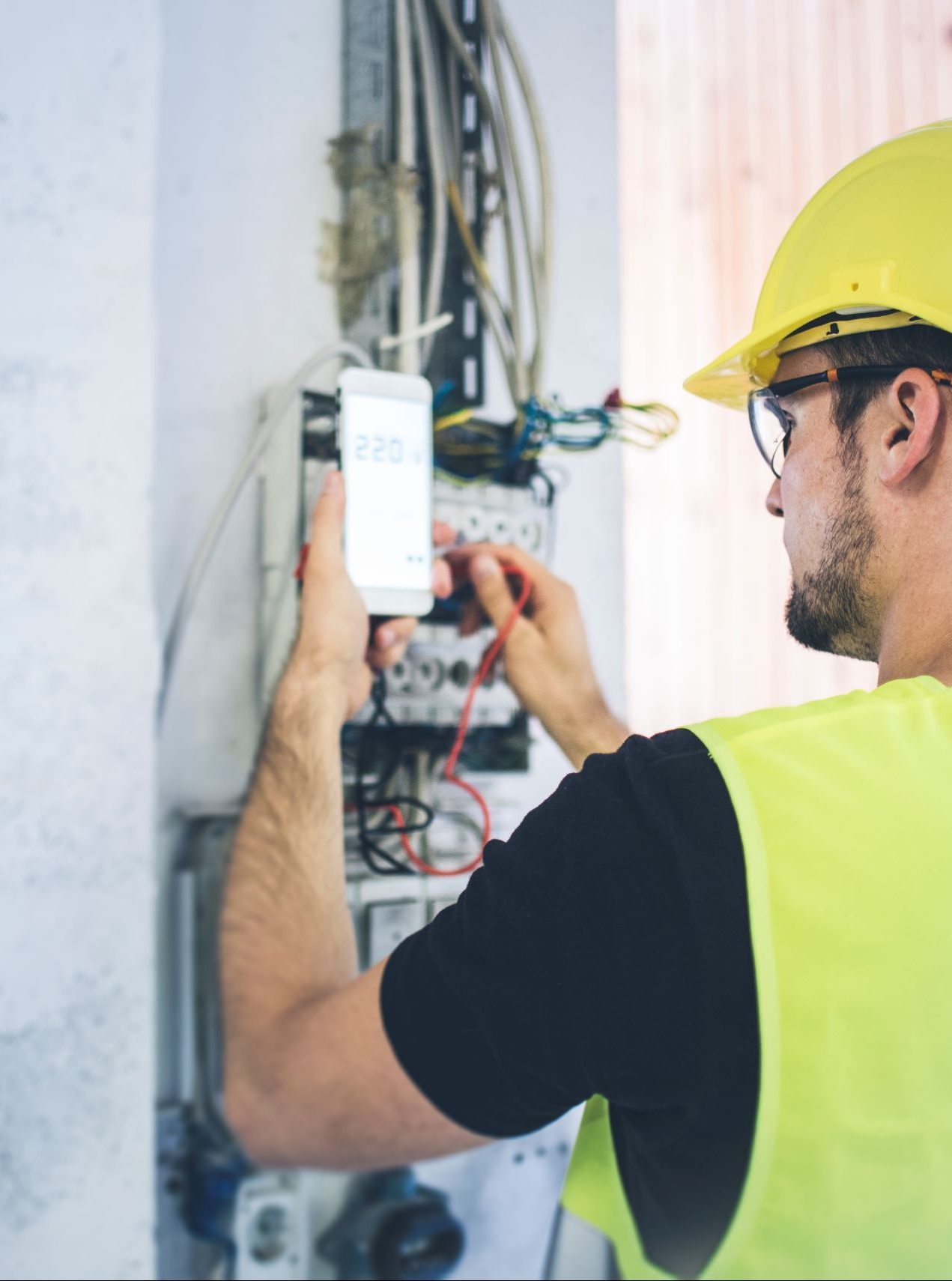
What Companies Want to Know About Safety and Compliance
Contractors searching for information about safety and compliance want clear guidance. They want to know what safety expectations apply to low voltage workers, whether OSHA training is required, how job site hazards should be handled, and what compliance standards technicians must follow when installing low voltage systems. Employers also want to understand how staffing partners evaluate safety readiness and whether workers come prepared with the right training and awareness. The direct answer is that low voltage technicians must follow job site safety policies, adhere to industry standards, understand equipment handling rules, and stay compliant with project specific requirements. Companies benefit from staffing partners who prioritize safety screening and ensure each worker meets these expectations before arriving at the job site.
Why Safety and Compliance Matter for Low Voltage Companies
Safety and compliance protect workers, contractors, and the end user. Low voltage technicians often work on ladders, lifts, elevated platforms, and above ceiling spaces. They handle tools, drilling equipment, testing devices, and sensitive technology. Improper safety awareness can lead to injuries, equipment damage, or unsafe installation conditions. Compliance matters just as much. Fire alarm systems must meet code. Access control and security systems must function reliably. Structured cabling must follow installation standards that ensure long term performance. When technicians fail to follow guidelines, companies face failed inspections, project delays, and costly rework. Ensuring that every technician understands safety and compliance reduces risk and maintains consistent job site performance.
Key Safety and Compliance Requirements for Low Voltage Technicians
Low voltage technicians must follow a set of core expectations to work safely and in compliance with project standards. These requirements help ensure systems are installed correctly and that workers stay protected in active construction environments.
General Site Safety Knowledge
Technicians must understand basic construction safety rules, including ladder safety, PPE requirements, hazard awareness, and fall protection for elevated work. Commercial job sites require strict adherence to safety policies.
Electrical Awareness
While low voltage technicians do not work on high voltage systems, they must still recognize electrical hazards, proper cable handling techniques, and safe routing methods. Awareness of energized equipment and safe distancing is essential.
Fire Alarm Installation Standards
Fire alarm systems follow specific codes and must be installed according to manufacturer instructions and jurisdictional requirements. Technicians must understand proper device placement, wiring requirements, and inspection readiness.
Structured Cabling Standards
Proper cable routing, bend radius protection, labeling, pathway use, and termination practices are essential for structured cabling compliance. Installations must follow recognized standards for performance and long term reliability.
Handling of Lifts and Tools
Technicians must be familiar with lifts, drills, test equipment, and common job site tools. Safe handling prevents accidents and protects both workers and property.
Documentation and Reporting
Many systems require clear documentation for inspections or system testing. Technicians must record installation details accurately and communicate with project leads when issues arise.
Job Site Conduct and Professionalism
Compliance extends beyond technical standards. Technicians must follow site rules, work respectfully with other trades, and adapt to the workflow and safety procedures of the project.
How GL Staffing Ensures Safety and Compliance Readiness
GL Staffing evaluates each low voltage technician to ensure they understand what is required on active job sites. Workers are screened for safety awareness, job readiness, and field experience before being placed. The agency confirms that candidates can follow site policies, use PPE properly, and operate in commercial environments. GL Staffing also reviews work history, evaluates prior job performance, and identifies technicians with experience in fire alarms, fiber, access control, CCTV, and structured cabling. This ensures that workers assigned to a project have the technical and safety background needed to meet the job’s compliance requirements.
GL Staffing communicates directly with contractors to understand project specific safety expectations, onsite protocols, and compliance needs. This helps the agency match technicians to projects where they can perform successfully. By managing screening and verification internally, GL Staffing reduces the time employers spend evaluating candidates and minimizes the risk of placing unprepared workers on active job sites.
Low Voltage Roles GL Staffing Provides for Safety Critical Work
GL Staffing supplies a range of low voltage workers who can support safety critical and compliance driven installations. This includes helpers who understand basic site safety, installers who follow structured cabling standards, and technicians experienced with regulated systems such as fire alarms, fiber networks, CCTV, and access control. Workers are placed based on verified skills, job readiness, and their ability to meet project expectations.
Why Contractors Choose GL Staffing for Safe and Compliant Staffing
Contractors rely on GL Staffing because the agency prioritizes worker quality, preparation, and safety awareness. GL Staffing reduces hiring risks by screening workers thoroughly and confirming they can handle the responsibilities of commercial and industrial environments. Companies benefit from knowing that technicians arriving on site understand safety guidelines, system standards, and job site expectations. This level of screening improves project performance, protects workers, and helps contractors maintain strong relationships with clients and general contractors.
Long Term Safety and Compliance Support
Safety and compliance are ongoing responsibilities, not one time requirements. GL Staffing supports long term workforce stability by monitoring worker performance, gathering client feedback, and supplying technicians who meet evolving project demands. This helps companies maintain safety standards throughout the year and ensures compliance across multiple job sites. With long term staffing support, contractors can plan ahead, manage workloads effectively, and reduce the risk of project interruptions caused by inconsistent labor quality.
Support Your Projects with Safety Focused Low Voltage Technicians
Contractors across Florida rely on GL Staffing to supply low voltage workers who meet safety and compliance expectations. If your projects require dependable, safety aware technicians, request staffing support through Contact Us. GL Staffing is ready to help your company meet project requirements with qualified low voltage professionals.
Let's Build Your Success Together
Your team is the backbone of your business. Let GL Staffing help you create a workforce that drives your company forward. Our industry expertise and local knowledge allow us to provide a service that goes beyond just filling positions. We build lasting relationships that lead to long-term success.