Do Low Voltage Technicians Need Certifications
Low voltage technicians work on systems that support communication, security, life safety, and building operations. As these systems become more advanced, companies across Florida want clarity about certification requirements and how these credentials influence hiring decisions. Contractors must balance project demands, safety expectations, and compliance standards while trying to determine whether certifications are mandatory, recommended, or optional depending on the work. Understanding which certifications matter helps employers build stronger teams, reduce job site risk, and ensure installations meet industry guidelines. This topic is especially important for contractors who want consistency and professionalism in their workforce.
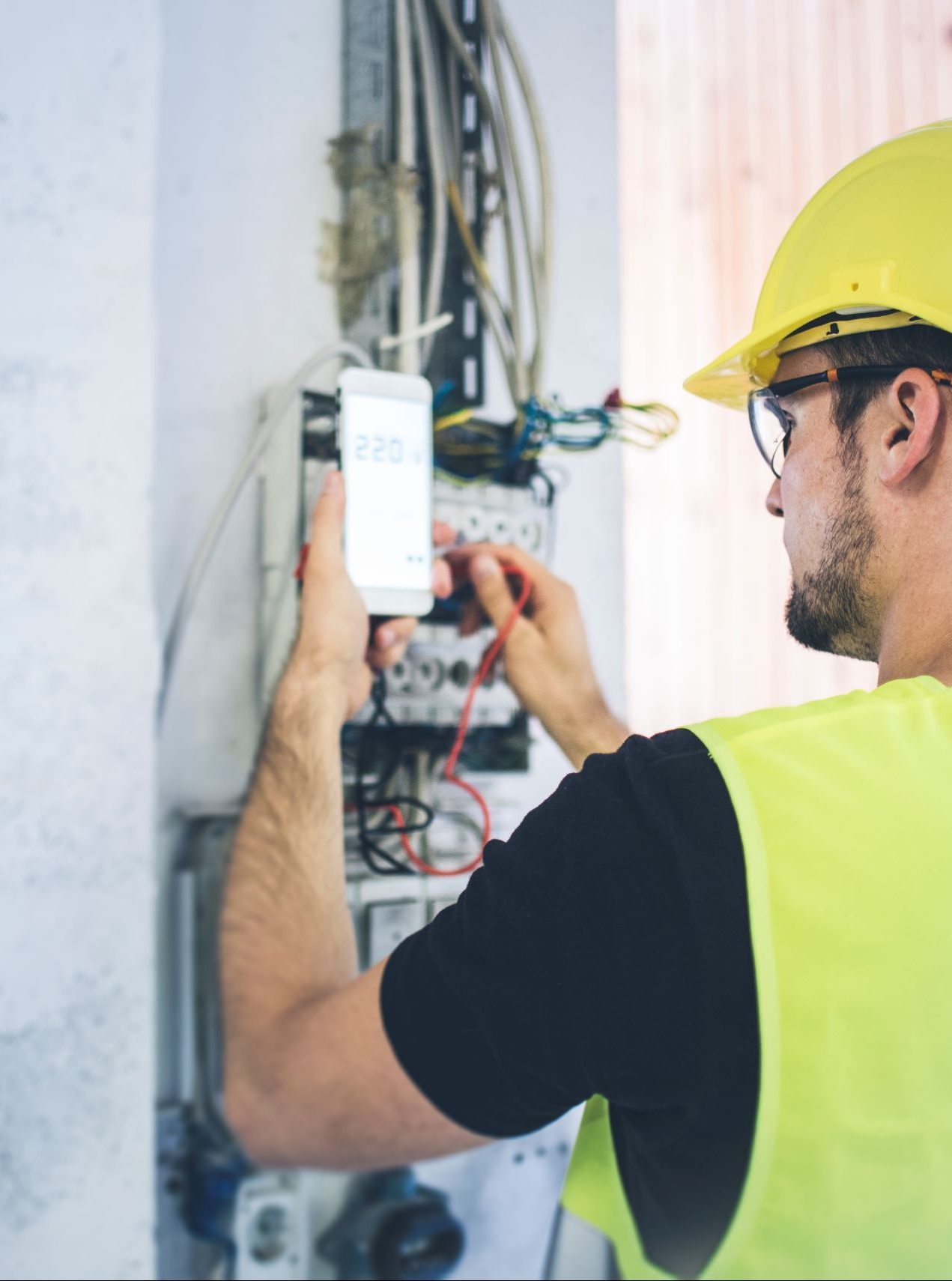
What Companies Want to Know About Low Voltage Certifications
Companies searching for information about certifications want straightforward answers. They want to know whether certifications are legally required, which credentials carry the most weight, and whether certification guarantees a technician’s skill level. Employers also want to understand how certifications affect project approvals, inspection readiness, and overall installation quality. The direct answer is that most low voltage roles do not require certifications by law, but many certifications significantly improve a technician’s capabilities, credibility, and job readiness. Certifications can strengthen a company’s workforce, reduce training time, and ensure technicians are familiar with industry standards and best practices. This helps employers make informed decisions when evaluating applicants or planning long term staffing.
Why Certifications Matter for Low Voltage Companies
Certifications give employers confidence in a technician’s ability to complete tasks correctly and safely. A certified technician typically has exposure to structured training programs that prepare them for real world environments. Certifications also reduce the learning curve for new hires who join active job sites. When a technician has formal training, supervisors can delegate work more efficiently because they do not have to spend as much time providing basic instruction. Certifications related to fire alarms, access control, fiber systems, or network cabling can also support compliance during inspections or system testing. Companies that work with certified technicians may experience fewer installation errors, better documentation, and smoother project workflows.
How GL Staffing Screens and Places Certified Technicians
GL Staffing evaluates every technician based on technical experience, work history, and job readiness. Certifications are reviewed, but the agency also considers hands on ability and field performance. Some of the most reliable technicians in Florida are professionals who gained experience through years of structured cabling and device installation work. GL Staffing ensures that workers, whether certified or not, understand the expectations of low voltage job sites and can contribute to active projects immediately. The agency also identifies technicians who specialize in fire alarms, fiber optics, access control, security systems, and audiovisual installations. This screening process helps companies receive workers whose technical backgrounds match project requirements.
Key Certification Requirements and Considerations for Low Voltage Technicians
Low voltage certifications vary depending on the systems a technician works with. Some certifications improve employability, while others are essential for certain project types. Contractors must understand which credentials align with the skills they require and how each certification can influence field performance.
BICSI Certifications
BICSI is one of the most recognized organizations in the low voltage field. Credentials such as the Installer 1, Installer 2 Copper, Installer 2 Fiber, and Technician certification validate structured cabling knowledge. These certifications demonstrate that a technician understands cable installation standards, termination practices, testing procedures, pathways, and grounding. Companies that work on large commercial projects often prefer or require BICSI trained workers because these credentials indicate a strong understanding of cabling infrastructure.
Fire Alarm Certifications
Technicians who install or service fire alarm systems may need specific certifications depending on the jurisdiction. These credentials show that the technician understands fire alarm components, wiring, mounting practices, and basic code requirements. While not always mandatory, they significantly improve a company’s ability to pass inspections and maintain compliance.
Access Control and Security System Training
Many manufacturers offer training for access control systems, CCTV platforms, and security technologies. These programs help technicians understand device installation, system configuration, and supporting hardware. While manufacturer training is often optional, employers value workers who have been exposed to these programs because they can integrate systems more effectively.
Fiber Optic Certifications
Fiber certification programs teach technicians how to splice, terminate, and test fiber cables. Certifications from organizations that focus on fiber training help technicians develop precision and confidence when working on sensitive, high value infrastructure. Companies that rely on fiber for high speed networks often prioritize workers with this training.
OSHA and Job Site Safety Training
Every low voltage technician should have basic safety training. OSHA and similar safety programs prepare workers for job site hazards, ladder use, PPE standards, and equipment safety. These credentials reduce workplace accidents and help companies meet safety expectations for commercial and industrial environments.
When Certifications Are Not Required
Certifications are helpful, but they are not always mandatory. Many technicians learn through hands on experience and develop strong skills through fieldwork. Companies should evaluate both certified and non certified candidates based on real world ability, communication habits, and reliability. Certifications enhance skill sets, but they cannot replace the value of genuine job site experience.
Low Voltage Roles GL Staffing Can Provide
GL Staffing supplies helpers, installers, and technicians who support all phases of low voltage work. This includes cable pulling assistants, termination specialists, device installers, fiber technicians, fire alarm workers, CCTV installers, access control technicians, and audiovisual system support personnel. Workers are matched to jobs based on skill level, system familiarity, certifications, and project needs. This gives employers confidence that each technician is prepared for the tasks they will encounter in the field.
Why Employers Choose GL Staffing for Certified and Experienced Talent
GL Staffing provides companies with technicians who meet high standards of quality, reliability, and professionalism. Whether a company needs certified workers for specialized systems or experienced technicians for general installation tasks, GL Staffing delivers candidates who align with the expectations of Florida contractors. The agency reduces hiring challenges by supplying workers who have already been screened for safety, skill, and job readiness. Employers benefit from faster staffing timelines, stronger workforce consistency, and fewer project delays.
Long Term Workforce Planning with GL Staffing
Certifications help create a stronger workforce, but long term planning ensures companies stay productive year after year. GL Staffing supports employers in building a stable labor strategy that prepares them for seasonal projects, long term contracts, and high volume installation periods. With access to a continuous pool of skilled workers, companies can expand confidently without worrying about sudden labor shortages. This stability helps contractors take on more clients, manage multiple job sites, and complete projects with consistent quality.
Strengthen Your Workforce with Qualified Low Voltage Technicians
If your company needs certified or experienced low voltage technicians who can support structured cabling, access control, CCTV, fire alarms, or fiber installations, partner with GL Staffing for dependable workforce solutions. Request staffing assistance or learn more about available talent at Contact Us. GL Staffing is prepared to provide the skilled professionals needed to support your upcoming projects.
Let's Build Your Success Together
Your team is the backbone of your business. Let GL Staffing help you create a workforce that drives your company forward. Our industry expertise and local knowledge allow us to provide a service that goes beyond just filling positions. We build lasting relationships that lead to long-term success.