Types of Low Voltage Electrical Roles You Can Staff
Florida’s low voltage industry continues to expand as businesses rely on structured cabling, fiber networks, security systems, fire alarms, audiovisual platforms, and building technology systems. Contractors often need a wide range of skilled workers to handle these installations and support ongoing service requirements. Identifying the roles that can be staffed helps companies understand how to build reliable project teams and maintain productivity across multiple job sites. Because low voltage work covers many specialties, having access to the right personnel at the right time becomes essential for delivering consistent project performance.
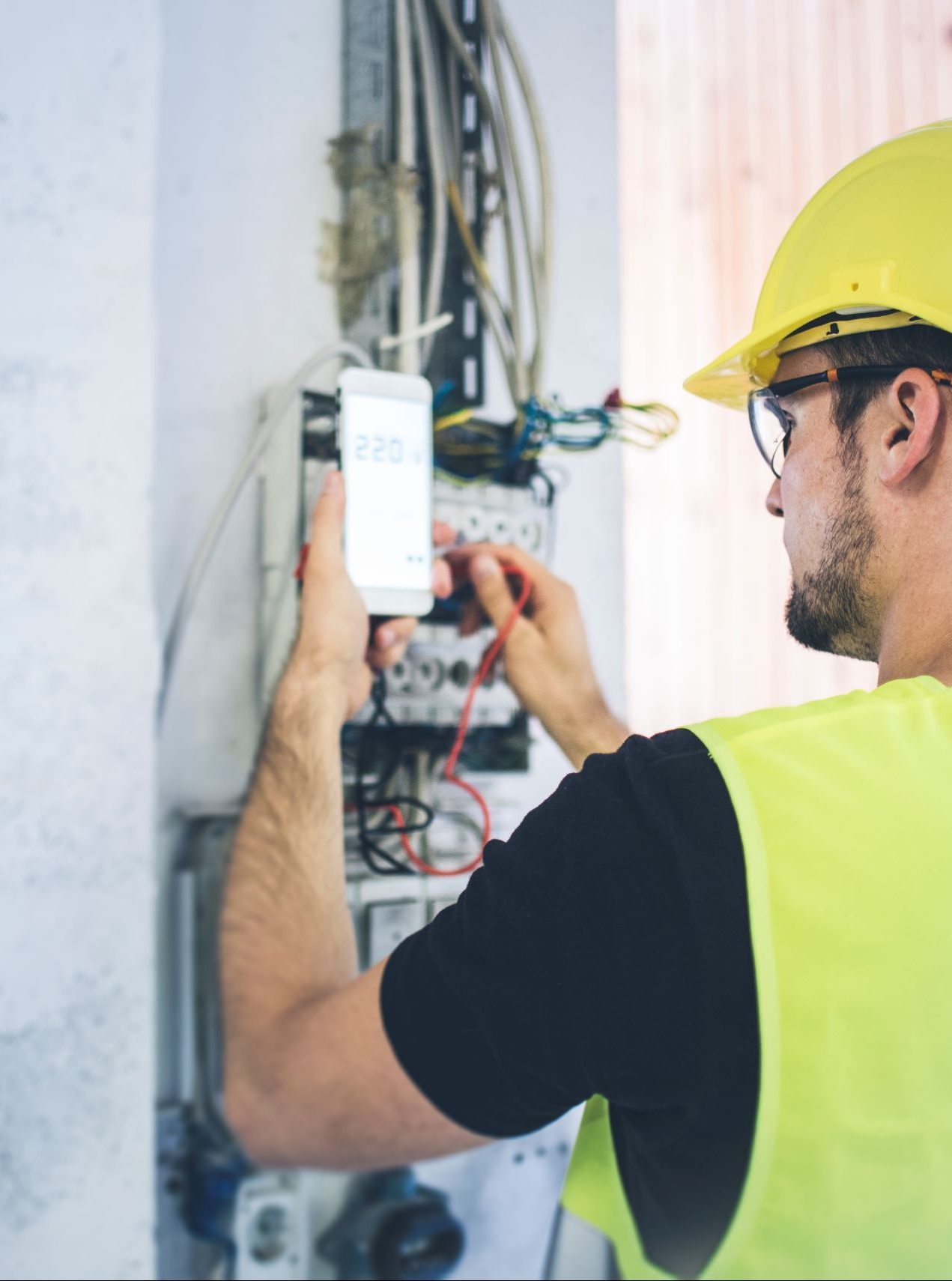
What Companies Want to Know About Staffing Low Voltage Roles
When employers search for low voltage staffing options, they want clarity about which positions can be sourced quickly and what skill levels these roles typically include. Many project managers are unsure whether staffing partners can supply helpers, installers, or specialized technicians. They want to know whether large crews can be assembled, whether advanced system roles can be filled, and whether staffing agencies can provide experienced workers who understand the demands of commercial and construction environments. The direct answer is that companies can staff nearly every role needed for structured cabling, system installation, and technology integration by working with a specialized low voltage staffing provider.
Why Recognizing These Roles Matters for Low Voltage Companies
Understanding the roles that can be staffed helps contractors plan ahead and assign the right people to each phase of a project. Low voltage installations require a blend of supporting labor and advanced technical skill. If a project lacks the proper mix of helpers, installers, and system specialists, productivity slows and teams are forced to work outside their strengths. When companies clearly identify which roles are required, they can maintain balanced crews, reduce bottlenecks, and improve efficiency. This also helps contractors bid confidently on larger jobs, knowing they can scale their teams quickly without sacrificing quality.
Key Considerations When Staffing Low Voltage Roles
Staffing low voltage roles involves evaluating the technical demands of the project and ensuring the workforce has the right combination of skills. Contractors must determine which tasks require general installation support and which require advanced troubleshooting or system knowledge.
Low Voltage Helpers
Helpers support installation crews by assisting with cable pulls, ladder work, device mounting, material handling, and preparing work areas. They provide essential labor that allows installers and technicians to focus on specialized tasks.
Low Voltage Installers
Installers handle structured cabling, terminations, labeling, cable management, and device placement. They work with jacks, patch panels, racks, and mounting hardware. Installers support backbone and horizontal cabling systems in commercial and industrial facilities.
Low Voltage Technicians
Technicians bring more advanced knowledge and can troubleshoot systems, perform testing, and complete device configuration. They work on CCTV, access control systems, fire alarms, fiber networks, and audiovisual equipment. Their deeper understanding ensures accurate system performance and fewer installation errors.
Fiber Specialists
Fiber technicians support splicing, connectorization, testing, and troubleshooting fiber infrastructure. Their work is essential for data centers, business networks, and high speed communication pathways.
CCTV and Security System Specialists
These technicians handle camera placement, wiring, configuration, and system integration. They support commercial properties, government facilities, and large campus environments.
Access Control Installers
Access control technicians install card readers, door hardware, controllers, power supplies, and network components. Their role is critical for security and building management systems.
Fire Alarm Technicians
Fire alarm workers install devices, run low voltage fire alarm cabling, mount panels, and support inspection readiness. They help ensure buildings meet safety and compliance standards.
Audiovisual Installers
AV installers support conference systems, displays, speakers, cabling, rack setups, and system calibration. Their work supports education, hospitality, corporate environments, and entertainment venues.
Why Companies Choose GL Staffing for Low Voltage Workforce Needs
GL Staffing provides reliable and experienced workers who understand the expectations of Florida job sites. The agency evaluates each worker to confirm technical capability, safety awareness, and job readiness. Contractors benefit from consistent quality, faster placements, and the ability to staff entire crews or supplement existing teams as needed. GL Staffing understands the technical nature of low voltage work and matches workers to the right system environments. Companies gain a staffing partner that supports operational stability and reduces the risk of project delays.
Long Term Workforce Planning Through GL Staffing
Large and ongoing low voltage projects require consistent staffing support. GL Staffing helps companies build long term workforce strategies that ensure reliable labor availability throughout the year. Contractors can plan for future workloads, anticipate labor needs for bidding purposes, and maintain a steady flow of workers as projects move from rough in to finish stages. This long term approach strengthens operational performance and enables businesses to take on more opportunities.
Strengthen Your Low Voltage Workforce with GL Staffing
Florida contractors rely on GL Staffing to provide experienced low voltage workers who support structured cabling, security systems, fiber networks, and technology installations. If your company needs dependable low voltage roles filled quickly, reach out through Contact Us to request immediate staffing support. GL Staffing is prepared to supply the workforce needed to keep your projects moving efficiently.
Let's Build Your Success Together
Your team is the backbone of your business. Let GL Staffing help you create a workforce that drives your company forward. Our industry expertise and local knowledge allow us to provide a service that goes beyond just filling positions. We build lasting relationships that lead to long-term success.